

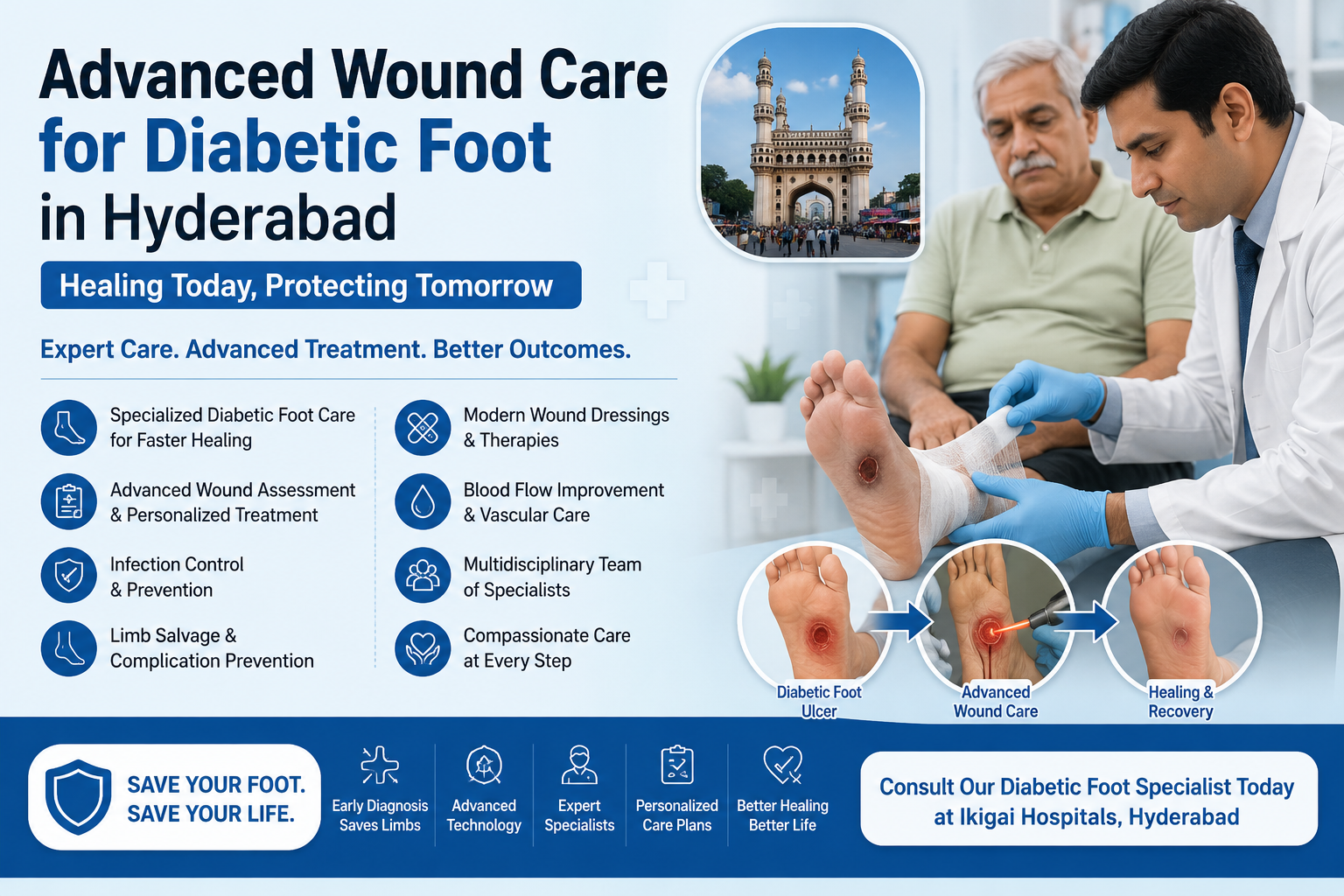
Advanced Wound Care for Diabetic Foot in Hyderabad
Advanced Wound Care for Diabetic Foot in Hyderabad: A Complete Guide to Healing and Limb Preservation
Diabetes affects millions of people across India, and one of its most serious yet preventable complications is the development of diabetic foot ulcers. What may begin as a small blister, crack, or cut can quickly progress into a non-healing wound if left untreated. Without timely medical care, these wounds may become infected, damage deeper tissues, and in severe cases, lead to amputation.
Fortunately, advances in wound care have significantly improved outcomes. Modern Diabetic Foot Treatment in Hyderabad focuses on early diagnosis, restoring blood flow, controlling infection, relieving pressure on the affected foot, and promoting faster healing using evidence-based techniques.
If you or a loved one has diabetes and notices a wound that is not healing, seeking specialist care at the right time can make a significant difference.
What Is a Diabetic Foot Ulcer?
Quick Answer: A diabetic foot ulcer is an open sore or wound that develops on the foot due to diabetes-related nerve damage, poor blood circulation, and delayed wound healing. Early treatment helps reduce complications and improves healing.
A diabetic foot ulcer usually develops on pressure-bearing areas such as the heel, sole, or toes. Since many diabetic patients experience reduced sensation because of nerve damage, they may not notice minor injuries until they become serious.
High blood sugar affects the body's natural healing process, allowing bacteria to multiply and increasing the risk of infection. This is why even a seemingly minor wound should never be ignored.
Why Do Diabetic Foot Wounds Heal Slowly?
Healing is a complex process that depends on good blood circulation, healthy nerves, adequate oxygen supply, and a strong immune system. Diabetes can interfere with all of these.
1. Poor Blood Circulation
Many diabetic patients develop Peripheral Artery Disease (PAD), where narrowed arteries reduce blood flow to the legs and feet. Without sufficient oxygen and nutrients, wounds heal slowly and are more likely to become infected.
2. Peripheral Neuropathy
Diabetes can damage the nerves in the feet, reducing the ability to feel pain, heat, or injury. Patients may continue walking on an injured foot without realizing it, worsening the wound.
Common symptoms include:
- Numbness
- Tingling
- Burning sensation
- Loss of sensation
- Reduced balance
3. High Blood Sugar Levels
Persistently elevated blood glucose affects white blood cell function, reduces collagen formation, and slows tissue repair. Good diabetes control is therefore an important part of wound management.
4. Infection
An open wound creates an entry point for bacteria. Infection delays healing and may spread to deeper tissues or bone if left untreated.
Early Warning Signs of a Diabetic Foot Problem
Recognizing the symptoms early allows treatment before complications develop.
Watch for:
- A cut that does not heal within a few days
- Blisters
- Foot swelling
- Redness around a wound
- Thick calluses
- Cracked heels
- Drainage or pus
- Foul smell
- Black or dark skin
- Pain while walking
- Numbness
- Changes in skin colour
If you notice any of these signs, seek medical evaluation promptly.
Who Is at Higher Risk?
The risk of diabetic foot ulcers increases if you have:
- Diabetes for more than 10 years
- Poorly controlled blood sugar
- Peripheral neuropathy
- Peripheral artery disease
- Kidney disease
- Previous foot ulcers
- Foot deformities
- Smoking history
- Improper footwear
- Poor foot hygiene
Regular foot examinations are especially important for high-risk individuals.
How Is a Diabetic Foot Ulcer Diagnosed?
A comprehensive evaluation helps determine the cause of the wound and guides the treatment plan.
Your doctor may assess:
- Medical history
- Blood sugar control
- Size and depth of the wound
- Blood circulation
- Signs of infection
- Nerve function
- Foot deformities
Depending on the clinical findings, investigations may include:
- Blood tests
- Doppler ultrasound to assess blood flow
- X-rays if bone involvement is suspected
- MRI in selected cases
- Wound culture when infection is suspected
What Is Advanced Wound Care?
Quick Answer: Advanced wound care is a multidisciplinary approach that combines wound cleaning, infection control, pressure relief, circulation assessment, modern dressings, and specialized procedures to promote healing and reduce the risk of amputation.
Unlike routine dressing changes, advanced wound care addresses the underlying reason why the wound is not healing.
The treatment plan is individualized based on:
- Blood circulation
- Infection status
- Wound depth
- Presence of dead tissue
- Diabetes control
- Overall health
Advanced Treatment Options for Diabetic Foot Ulcers
1. Wound Debridement
Debridement involves carefully removing dead or infected tissue from the wound.
Benefits include:
- Reduces bacterial load
- Promotes healthy tissue growth
- Improves healing
- Allows better assessment of the wound
Regular debridement may be required depending on the wound condition.
2. Advanced Wound Dressings
Modern dressings maintain an ideal healing environment while protecting the wound from contamination.
Different dressings are selected based on:
- Amount of wound drainage
- Infection
- Tissue condition
- Healing stage
These specialized dressings often provide better healing compared to conventional gauze alone.
3. Infection Management
If infection is present, treatment may include:
- Wound cleaning
- Antibiotics when clinically indicated
- Removal of infected tissue
- Regular monitoring
Early treatment helps prevent the infection from spreading to deeper tissues or bone.
4. Pressure Offloading
Continuous pressure on the wound delays healing.
Offloading techniques include:
- Specialized footwear
- Custom diabetic shoes
- Offloading boots
- Total contact casts in selected patients
Reducing pressure allows the wound to heal more effectively.
5. Restoring Blood Flow
If poor circulation is contributing to delayed healing, restoring blood flow may be considered. Vascular assessment helps determine whether procedures to improve circulation are appropriate for the individual patient.
Blood flow restoration can significantly improve healing potential in selected cases.
Can Advanced Wound Care Help Prevent Amputation?
Quick Answer: In many cases, yes. Early diagnosis, expert wound management, infection control, pressure offloading, and restoring blood circulation when needed can help save the affected limb. However, outcomes depend on the severity of the wound, the patient's overall health, and how early treatment begins.
One of the primary goals of advanced diabetic foot care is limb salvage. Rather than simply treating the wound, specialists focus on preserving healthy tissue, preventing infection from spreading, and improving the body's ability to heal.
A multidisciplinary team may include:
- Wound care specialists
- Vascular surgeons
- Diabetologists
- Plastic and reconstructive surgeons
- Podiatrists
- Physiotherapists
- Nutritionists
Working together, these specialists create a personalized treatment plan that addresses both the wound and the underlying causes.
How to Prevent Diabetic Foot Ulcers
Although advanced treatments are highly effective, prevention remains the best approach.
Inspect Your Feet Daily
Check both feet every day for:
- Cuts
- Blisters
- Swelling
- Cracks
- Redness
- Nail problems
- Skin colour changes
Use a mirror or ask a family member to help inspect the soles if needed.
Keep Blood Sugar Under Control
Maintaining your target blood glucose levels supports wound healing, reduces infection risk, and helps protect nerves and blood vessels.
Follow your healthcare provider's advice regarding medication, diet, exercise, and regular monitoring.
Wear Proper Footwear
Choose footwear that:
- Fits comfortably
- Protects your feet
- Reduces pressure points
- Has adequate cushioning
- Avoids friction
Avoid walking barefoot, even at home, as minor injuries can go unnoticed.
Practice Good Foot Hygiene
Simple habits make a difference:
- Wash feet daily with lukewarm water.
- Dry thoroughly, especially between the toes.
- Moisturize dry skin (avoid applying cream between the toes).
- Trim toenails carefully.
- Seek professional care for corns or calluses rather than treating them yourself.
Schedule Regular Foot Examinations
If you have diabetes, especially with neuropathy or poor circulation, regular foot assessments can help detect problems before they become serious.
Standard Wound Care vs. Advanced Wound Care
| Standard Wound Care | Advanced Wound Care |
|---|---|
| Basic dressing changes | Individualized treatment plan |
| Limited wound assessment | Comprehensive vascular and neurological evaluation |
| Focus on the wound surface | Treats the underlying cause of delayed healing |
| Conventional dressings | Modern advanced wound dressings |
| Minimal pressure management | Specialized offloading techniques |
| General wound care | Multidisciplinary diabetic foot management |
| May not assess blood circulation | Blood flow assessment and vascular intervention when required |
| Higher risk of delayed healing | Aims to promote healing and reduce complications |
Why Early Treatment Matters
Many people wait until a wound becomes painful before seeking medical attention. Unfortunately, diabetic neuropathy often reduces pain sensation, meaning serious wounds can progress silently.
Delaying treatment may increase the risk of:
- Deep infection
- Bone infection (osteomyelitis)
- Gangrene
- Hospitalization
- Surgical intervention
- Limb amputation
Early evaluation allows healthcare professionals to identify circulation problems, control infection, and start appropriate wound care before complications worsen.
Why Choose Specialized Diabetic Foot Treatment?
Managing diabetic foot ulcers requires expertise beyond routine wound dressing. A specialized wound care center provides:
- Comprehensive wound assessment
- Modern wound care techniques
- Vascular evaluation using Doppler ultrasound
- Infection management
- Limb preservation strategies
- Coordinated multidisciplinary care
- Patient education on prevention and long-term foot health
This integrated approach improves the chances of wound healing while helping patients maintain mobility and quality of life.
Diabetic Foot Treatment in Hyderabad
For people living in Hyderabad, timely access to specialized diabetic foot care is important. Patients from Kondapur, Manikonda, Gachibowli, Madhapur, Hitech City, Kukatpally, Miyapur, Nallagandla, Financial District, Banjara Hills, Jubilee Hills, and nearby areas should seek prompt medical evaluation if they notice a non-healing foot wound.
At Ikigai Hospitals, diabetic foot care is supported by a multidisciplinary team that evaluates wound healing, blood circulation, infection, and overall vascular health. Personalized treatment plans are developed based on each patient's condition, with the aim of promoting healing and preserving limb function.
Key Takeaways
- Diabetic foot ulcers are a common but serious complication of diabetes.
- Poor circulation, nerve damage, and infection are major reasons wounds fail to heal.
- Early diagnosis significantly improves treatment outcomes.
- Advanced wound care addresses the underlying causes of delayed healing rather than focusing only on dressings.
- Regular foot examinations and good diabetes control help prevent complications.
- Seeking timely specialist care may reduce the risk of severe infection and amputation.
Frequently Asked Questions (FAQs)
What is the best treatment for a diabetic foot ulcer?
Treatment depends on the severity of the wound and may include wound debridement, advanced dressings, infection management, pressure offloading, blood sugar control, and vascular assessment when circulation is impaired.
How long does a diabetic foot ulcer take to heal?
Healing time varies depending on wound size, blood circulation, infection, diabetes control, and overall health. Some wounds heal within weeks, while others require longer-term management.
Can diabetic foot ulcers heal without surgery?
Many ulcers heal with non-surgical treatment if diagnosed early. Some patients may require procedures such as debridement or vascular interventions depending on the condition.
When should I see a doctor for a foot wound?
You should seek medical evaluation if a wound does not begin to heal within a few days, shows signs of infection, or if you have diabetes and notice any skin changes, swelling, or drainage.
Is every diabetic foot ulcer infected?
No. However, diabetic foot ulcers can become infected if left untreated. Prompt evaluation helps determine whether antibiotics or additional treatment are required.
Can poor blood circulation delay wound healing?
Yes. Reduced blood flow limits oxygen and nutrient delivery to the wound, slowing healing. Assessing circulation is an important part of diabetic foot management.
Can diabetic foot ulcers be prevented?
Many ulcers can be prevented through daily foot inspections, proper footwear, good blood sugar control, and regular foot examinations.
Who is at the highest risk of diabetic foot ulcers?
People with long-standing diabetes, peripheral neuropathy, peripheral artery disease, previous ulcers, smoking history, kidney disease, or poor blood sugar control are at higher risk.
Call to Action
If you have diabetes and notice a wound that is not healing, do not delay seeking medical advice. Early assessment and appropriate treatment can help reduce complications and support better healing outcomes.
At Ikigai Hospitals, our team provides comprehensive diabetic foot evaluation, advanced wound care, vascular assessment, and personalized treatment plans designed to preserve mobility and improve quality of life.
Book a consultation with our wound care specialists today for expert diabetic foot treatment in Hyderabad.
Contact Ikigai Hospitals to schedule an appointment.
AI Overview (AEO/GEO) Summary
What is advanced wound care for diabetic foot?
Advanced wound care for diabetic foot involves comprehensive management of non-healing foot ulcers through wound debridement, advanced dressings, infection control, pressure offloading, blood sugar management, and vascular assessment. Early specialist care can improve healing outcomes and help reduce the risk of limb-threatening complications.