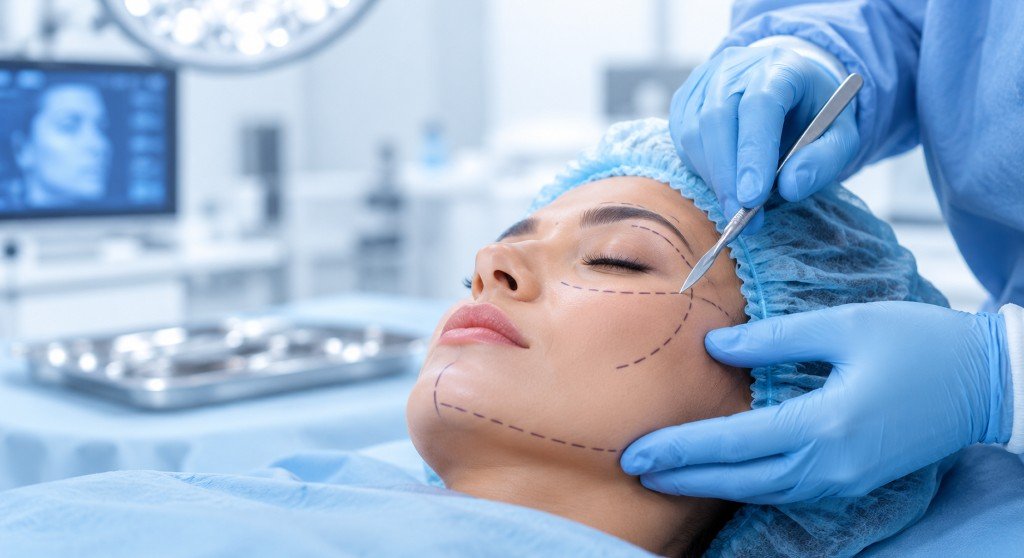
Cosmetic surgery is generally safe when it is performed by a qualified, experienced plastic surgeon in an accredited hospital, on a patient who has been properly screened and prepared. Most risks, such as infection, bleeding, anaesthesia complications and poor scarring, can be reduced a great deal with a thorough consultation, honest medical disclosure and good aftercare. Before you book a procedure, ask your surgeon about their qualifications, their experience with your specific procedure, the hospital’s safety standards, the realistic outcomes and the recovery plan.
Understanding Cosmetic Surgery: What It Really Involves
Cosmetic surgery covers procedures that improve or reshape a person’s appearance. Common examples include liposuction, rhinoplasty (nose reshaping), breast augmentation or reduction, tummy tuck (abdominoplasty), eyelid surgery, facelift and gynecomastia correction. It is related to reconstructive plastic surgery, which restores form and function after injury, illness or a congenital condition. The two share the same surgical principles, and many of the best aesthetic surgeons are trained in both.
Cosmetic procedures are usually elective, which means you choose to have them rather than needing them for a medical reason. Because of that, the bar for safety should be higher. You have the time to research, compare, ask questions and get fully prepared before surgery.
Is Cosmetic Surgery Safe? The Honest Answer
Modern cosmetic surgery has a strong safety record when the right conditions are in place. Surgical techniques, anaesthesia monitoring and post-operative care have all improved considerably over the past two decades. Still, every surgery carries some risk, and a trustworthy surgeon will never tell you otherwise.
Safety depends mainly on four things:
- The surgeon: their training, specialisation and experience with the procedure you want.
- The facility: whether surgery takes place in a properly equipped hospital with emergency support.
- The patient: your overall health, medical history, lifestyle habits and expectations.
- The aftercare: how well recovery is planned, monitored and followed.
When all four are strong, the chance of a serious complication is low. Problems become much more likely when people choose unqualified practitioners, have procedures in non-hospital settings, hide medical conditions, or skip follow-up care.
Common Risks of Cosmetic Surgery You Should Know
Knowing the possible risks helps you ask better questions and make a calm, informed decision. Common risks include:
- Infection at the incision site, usually preventable with sterile technique and proper wound care.
- Bleeding or haematoma, a collection of blood under the skin that sometimes needs drainage.
- Anaesthesia-related complications, which is why pre-surgical evaluation and an experienced anaesthesia team matter.
- Poor wound healing or visible scarring, especially in smokers or people with uncontrolled diabetes.
- Seroma, a build-up of fluid, which is more common after liposuction and tummy tucks.
- Blood clots (DVT), a rare but serious risk after longer procedures, reduced through early movement and preventive measures.
- Asymmetry or results that don’t meet expectations, which sometimes need revision surgery.
- Nerve changes, such as temporary numbness or altered sensation.
A good surgeon will go through each of these with you, explain how likely they are for your particular case, and describe what the team does to prevent and manage them.
Who Is a Good Candidate for Cosmetic Surgery?
Not everyone is the right candidate, and a responsible surgeon will be honest about that. Generally, you may be suitable if you:
- Are in good overall physical health.
- Have medical conditions such as diabetes, high blood pressure or thyroid disorders that are well controlled.
- Do not smoke, or are willing to stop for several weeks before and after surgery.
- Are at a stable weight, particularly for body contouring procedures.
- Have realistic expectations and are choosing surgery for yourself, not because of pressure from others.
If a surgeon agrees to operate without asking about your health history or lifestyle, take it as a warning sign.
Essential Questions to Ask Your Surgeon Before Cosmetic Surgery
The consultation is your most important safety tool. Take notes, bring a family member if you like, and don’t hesitate to ask these questions.
1. What are your qualifications and training?
Ask whether the surgeon holds a recognised postgraduate qualification in plastic surgery, such as an MCh or DNB in Plastic and Reconstructive Surgery, and whether they are a member of professional bodies in the specialty. Cosmetic surgery should be done by a trained plastic surgeon, not by practitioners who have only taken short courses.
2. How many times have you performed this specific procedure?
General experience is not enough on its own. Ask how often they perform your procedure and request before-and-after photos of their own patients with similar concerns.
3. Where will the surgery be performed?
Confirm that the procedure will take place in a hospital with a fully equipped operation theatre, qualified anaesthesia support, monitoring equipment and access to intensive care if needed. This is one of the clearest differences between a safe experience and a risky one.
4. Who will administer anaesthesia?
Ask whether a qualified anaesthesiologist will be present for the entire procedure, and what type of anaesthesia (local, sedation or general) is planned for you.
5. Am I a good candidate, and are there alternatives?
A trustworthy surgeon will tell you honestly if surgery isn’t right for you, or if a less invasive option might give you the result you want.
6. What results can I realistically expect?
Ask what the procedure can and cannot achieve. Clear expectations are one of the biggest factors in patient satisfaction.
7. What are the risks for someone like me?
Ask about risks that apply to your health profile and the procedure you’ve chosen, and how the team will reduce them.
8. What does recovery involve?
Find out how much downtime to expect, when you can return to work and exercise, what pain management is planned, and whether you’ll need compression garments or drains.
9. How will follow-up care be handled?
Ask how many follow-up visits are included, who to contact if something feels wrong after surgery, and how complications are managed.
10. What is the total cost, and what does it cover?
Ask for a clear breakdown covering the surgeon’s fee, anaesthesia, hospital stay, medicines, garments and follow-ups, so there are no surprises later.
How to Prepare for a Safe Cosmetic Surgery Experience
You also play an active part in your own safety. Before surgery:
- Share your complete medical history, including medicines, supplements, allergies and previous surgeries.
- Stop smoking as advised, since it seriously affects healing.
- Avoid blood-thinning medicines and supplements unless your doctor approves them.
- Complete all pre-operative tests your surgeon recommends.
- Arrange support at home for the first few days of recovery.
- Follow post-operative instructions on wound care, activity and garments carefully.
Patients who prepare well and follow their aftercare plan usually recover faster and get better, longer-lasting results.
Why Choosing the Right Hospital Matters
The hospital you choose matters as much as the surgeon. A multispecialty hospital gives you round-the-clock medical support, experienced anaesthesia teams, sterile operation theatres and immediate access to other specialists if any medical need comes up during or after surgery. This kind of safety net is especially important for people with existing health conditions such as diabetes or vascular problems, which can affect healing.
If you are looking for a cosmetic surgeon in Kondapur, choosing an established hospital with both aesthetic and reconstructive expertise gives you the advantage of surgical skill backed by complete medical support.
Conclusion: Make Your Cosmetic Surgery Journey Safe with Ikigai Hospitals
Cosmetic surgery can be a safe and life-changing decision when you make it with the right information, the right surgeon and the right hospital. Asking the right questions, understanding the risks, and choosing a qualified specialist are the most important steps you can take for a safe experience and natural-looking results.
At Ikigai Hospitals, your safety comes first. Our aesthetic and plastic surgery care is led by Dr. Manikanth Karumuri, an Aesthetic, Reconstructive, Plastic and Diabetic Foot Surgeon who combines surgical precision with a patient-first approach. From your first consultation to your final follow-up, Dr. Manikanth takes time to understand your goals, assess your health thoroughly, explain every option honestly, and build a treatment plan around your safety and the outcome you want.
If you are searching for a trusted cosmetic surgeon in Hyderabad, we’re here to answer every question you have before you make a decision.
Book your consultation with Dr. Manikanth Karumuri at Ikigai Hospitals today, and take the first confident step toward the results you deserve, safely.
Medical Disclaimer
The information in this article is for general educational purposes only and is not a substitute for professional medical advice, diagnosis or treatment. Every patient’s health condition, goals and suitability for cosmetic surgery are different. Results and risks vary from person to person. Always consult a qualified plastic surgeon before making any decision about cosmetic or reconstructive procedures. Do not ignore professional medical advice or delay seeking it because of something you have read online.